

Travel inspiration often begins in unexpected places. A photograph. A conversation with a friend. A fleeting image glimpsed online.
Increasingly, however, it begins somewhere else entirely. On screen.
According to Virtuoso, film and television are now among the strongest influences shaping where travellers choose to go next. Series such as The White Lotus have turned their filming locations into must-visit destinations almost overnight, while Korean dramas and pop culture continue to draw travellers towards South Korea. Closer to home, Cornwall’s rugged coastline has experienced renewed interest following productions such as House of the Dragon and Poldark.
Virtuoso refers to this as “Main Character Synergy”, where travellers are drawn not just to a destination, but to the feeling of stepping into a story they already recognise.
What begins as entertainment often becomes something deeper. Viewers arrive curious about the setting, but stay because of the culture, food, people and atmosphere they discover once they are there.
Travel becomes more than a destination. It becomes an experience that feels personal and immersive.
For me, this idea came to mind recently while speaking with one of my trusted partners on the ground in Colombia.
Colombia: A Destination Stepping Into the Spotlight
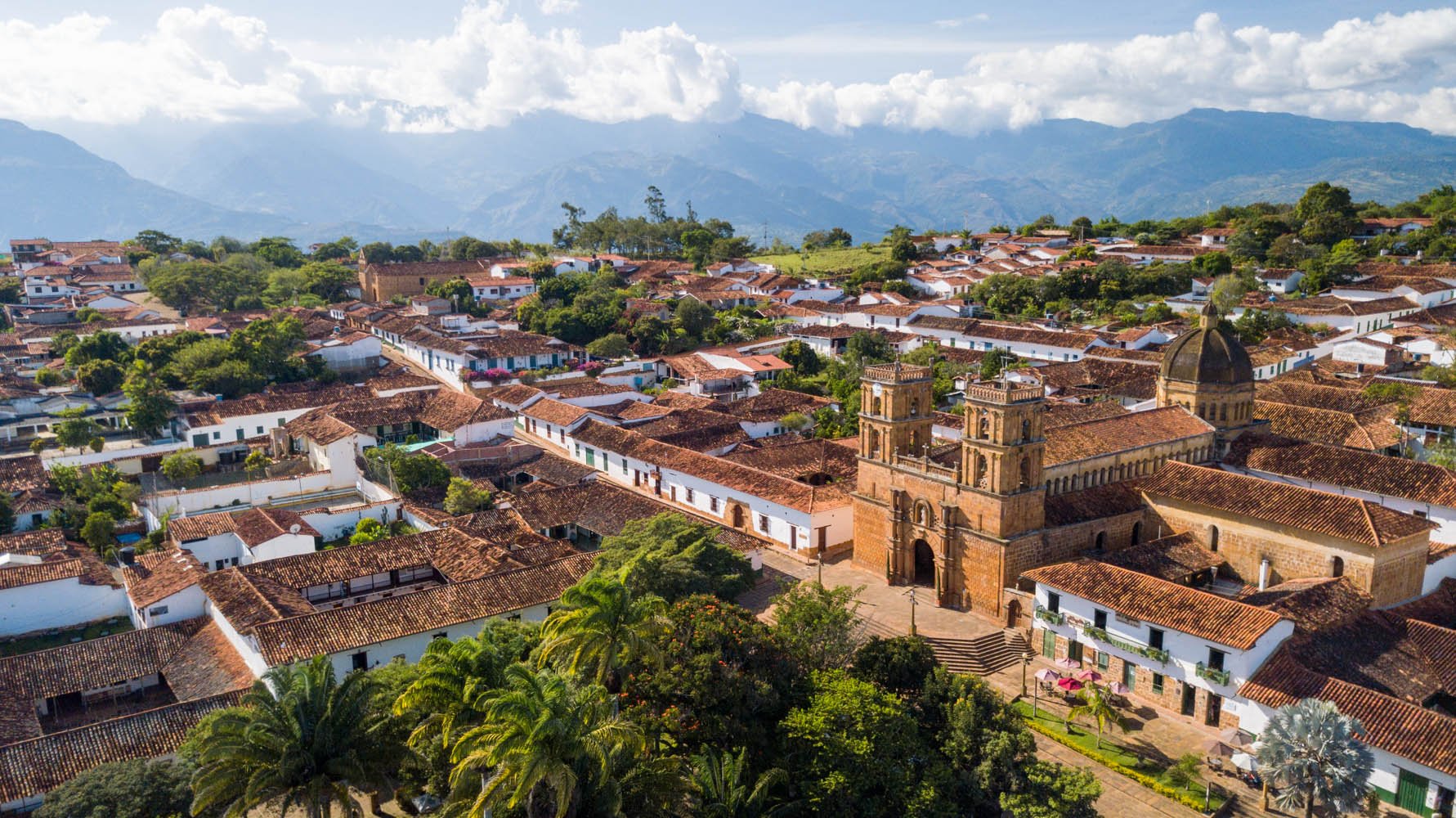
Colombia is quietly becoming one of the most exciting destinations in Latin America. For many travellers it still carries a sense of intrigue. A place that feels vibrant, authentic and still relatively undiscovered compared with some of its neighbours.
What makes Colombia so compelling is the contrast it offers.
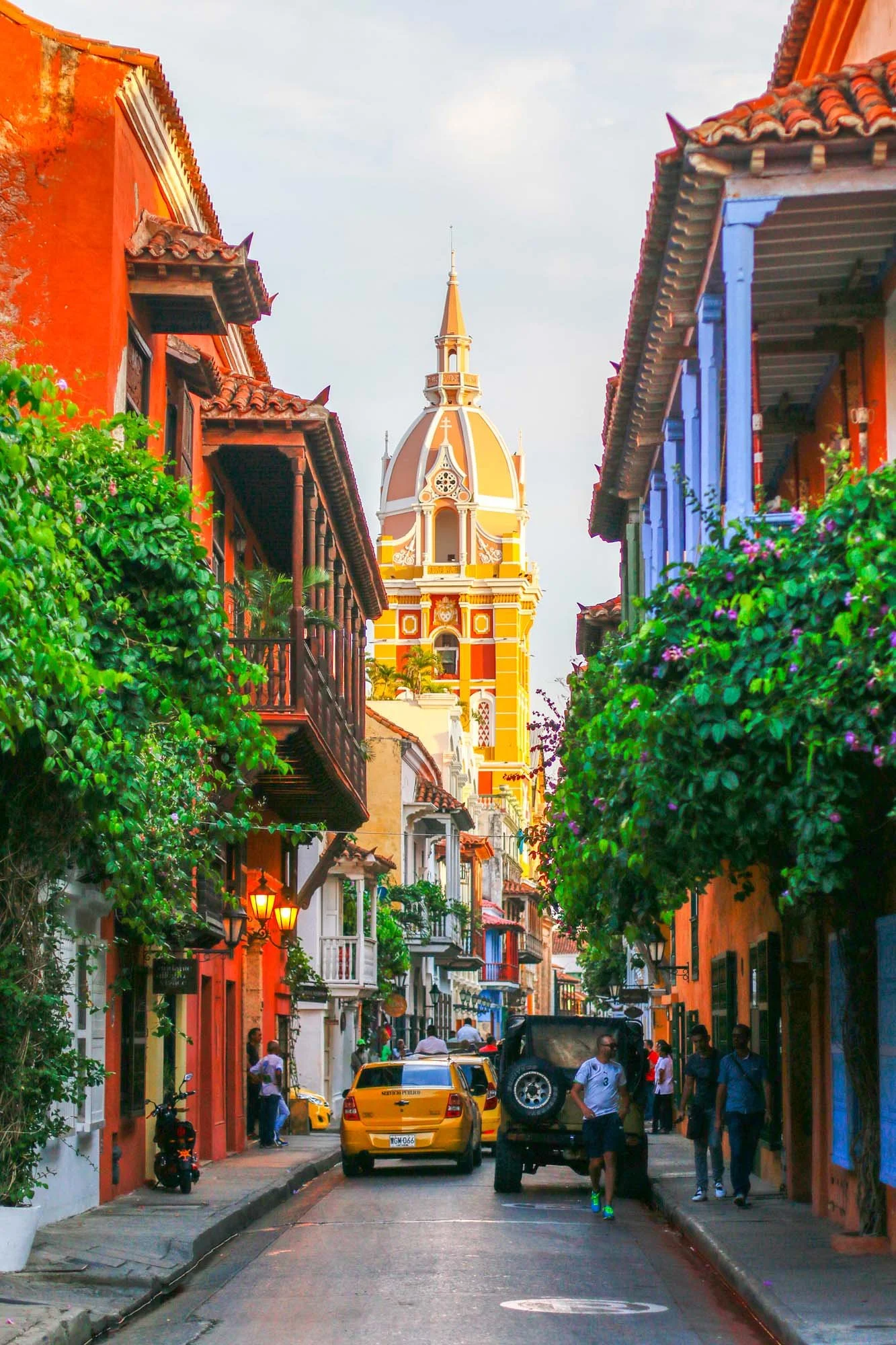
Cartagena sits on the Caribbean coast, its colourful colonial streets set within a UNESCO-listed walled city. Bougainvillea drapes over balconies, music spills into lively squares and the city’s food scene has become one of the most exciting in the region, with restaurants such as Celele ranked among Latin America’s 50 Best.
Further inland, the coffee region reveals a completely different side of the country. Rolling green hills are dotted with working haciendas where Colombia’s most famous export begins its journey from bean to cup. Nearby Medellín adds another layer to the story. Once known for darker reasons, it has reinvented itself as one of Latin America’s most innovative cities, where street art, design and gastronomy now define the city’s creative energy against a dramatic mountain backdrop.
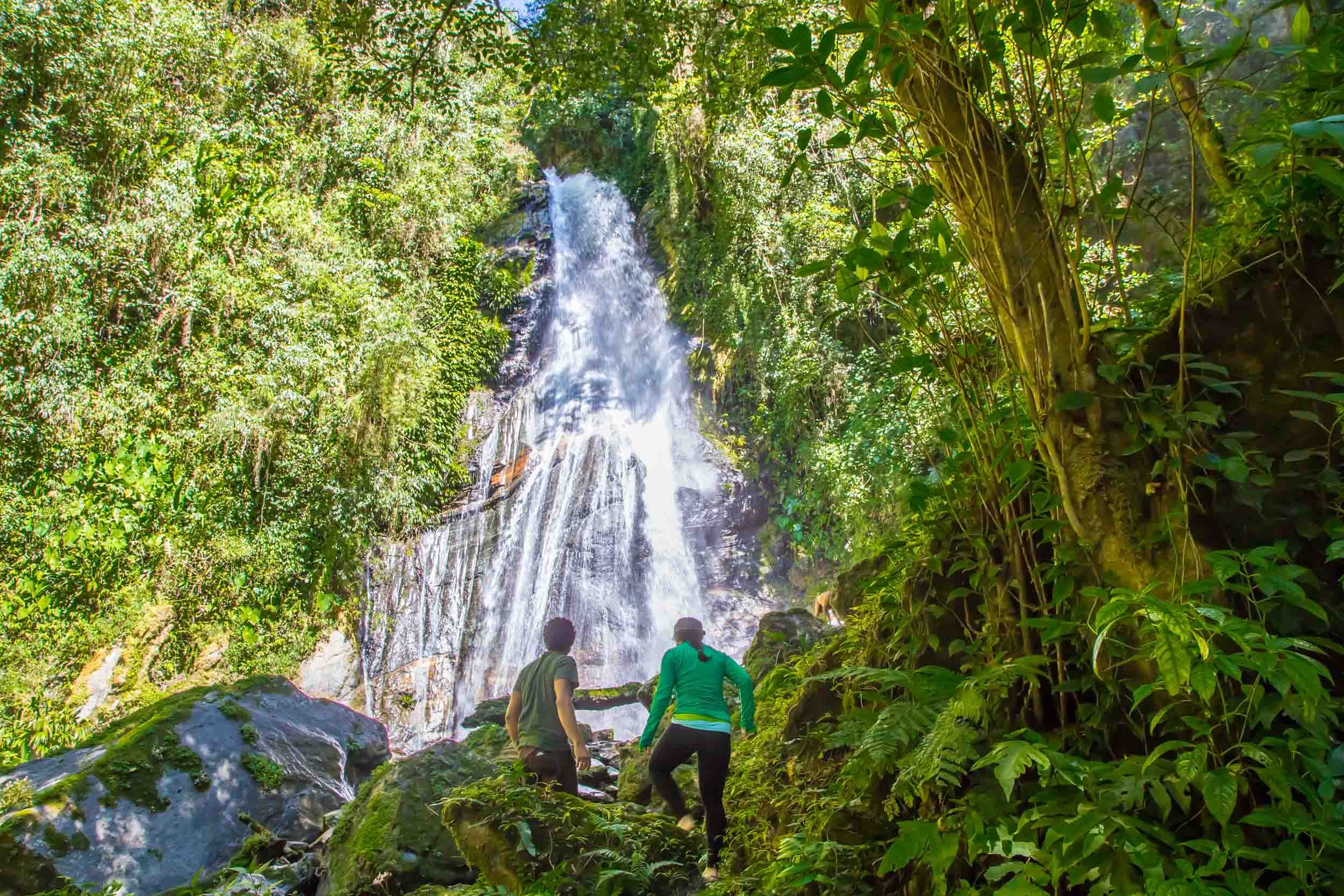
Then there are Colombia’s wild frontiers. The Pacific coast remains one of South America’s most untouched regions where rainforest meets black sand beaches and migrating whales pass offshore during certain months. In the north, the Sierra Nevada mountains rise sharply from the Caribbean, creating landscapes where jungle and ocean collide.
Taken together, Colombia offers something modern travellers increasingly seek. Not simply relaxation, but immersion.
When a Place Becomes Part of the Story
This is where the connection with film and television becomes so powerful.
When we watch a story unfold on screen, the setting often becomes a character in its own right. Cities feel atmospheric. Landscapes feel cinematic. A place begins to live in the imagination long before we ever set foot there.
That feeling is exactly what makes screen inspired travel so compelling. When travellers finally arrive, the destination already feels familiar. They are not simply observing it for the first time. They are stepping into a world they feel they already know.
For many viewers, Colombia evokes that sense of atmosphere through The Night Manager, the television adaptation of John le Carré’s novel. While the story moves across several countries, some of its most evocative scenes unfold against Colombia’s dramatic landscapes and vibrant urban settings.
Watching it, it is easy to be drawn into the mood of the place. The colours, the music, the warmth of the tropics and the sense that something intriguing lies just around the corner.
Becoming the Main Character
Of course, travel rarely involves espionage or international intrigue.
But there is something quietly appealing about the idea that a journey allows us to become the central character in our own story.
Perhaps that means wandering through Cartagena’s candlelit streets as music drifts across a plaza. Perhaps it means sipping freshly brewed coffee while looking out across misty green valleys. Or perhaps it is arriving at a secluded lodge on Colombia’s Pacific coast where rainforest stretches endlessly towards the sea.
Moments like these feel cinematic in their own way. They remind us that travel is not simply about visiting somewhere new. It is about how a place makes us feel while we are there.
Film and television may spark the idea, but the real magic begins once travellers step beyond the screen and into the destination itself.
And who knows. You might not encounter anyone quite like Richard Roper along the way.
But you may well discover that the world feels far more vivid when you step into the story yourself.
Sometimes the most memorable journeys begin long before departure, sparked by a story that invites us to see the world a little differently.
If a destination you’ve seen on screen has sparked your curiosity, I’d be delighted to help turn that inspiration into a journey of your own.
